
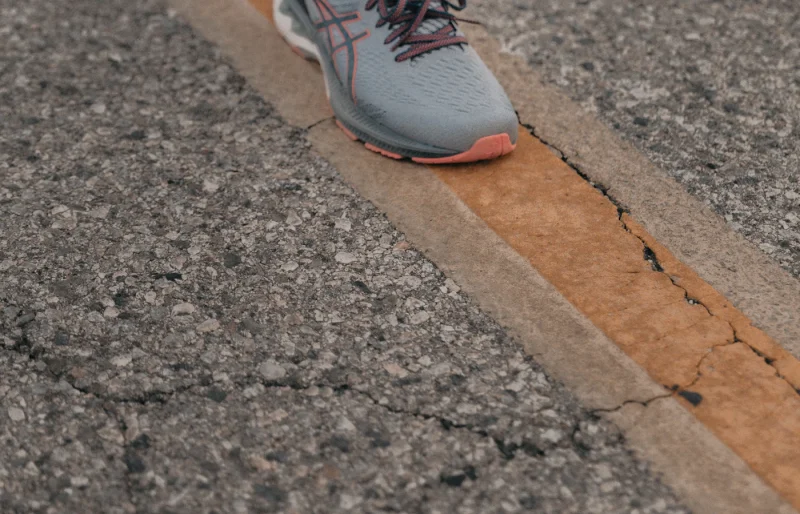
As an Amazon Associate, The Flat Feet earns from qualifying purchases. If you buy through links on this page, we may earn a small commission at no extra cost to you. This guide is for general information and isn’t medical advice.
The best shoes for flat feet are stability shoes with a firm inner midsole, a stiff heel counter, and a wide, stable base. In 2026, our top picks are the Brooks Adrenaline GTS 26 for most people, the Hoka Gaviota 6 if you need maximum support, and the Hoka Bondi SR if you work on wet floors. The right shoe for you depends on how flat your arches are, how much your feet roll inward, and what you’ll be doing in them.
This guide pulls together everything we’ve learned writing about flat feet on this site: how to tell what kind of flat feet you have, what features actually matter, the best current shoes for running, walking, and work, and how to get the most out of them. Use the free Shoe Finder below to get picks matched to your feet in about a minute.
Key Takeaways
- Flat feet are common. A 2017 study of 500 young adults found flexible flat feet in 13.6% of participants.
- Not everyone with flat feet needs a stability shoe. If your feet don’t roll in much and you have no pain, a cushioned neutral shoe can work.
- Overpronation is what to watch for. If your ankles roll inward or your shoes wear out on the inside edge, look for stability features.
- Fit beats brand. Flat feet are often wider through the midfoot, so wide sizes and roomy toe boxes matter.
- Support wears out. Replace running shoes every 300 to 500 miles, or sooner if your arch pain comes back.
Flat Feet Shoe Finder
Not sure where to start? Answer seven quick questions about your arches, your activity, and your budget. The Shoe Finder tells you what level of support to look for and recommends three shoes. It remembers your result, so you can come back and compare later.
Flat Feet Shoe Finder
Answer 7 quick questions and get shoe picks matched to your arches, your activity, and your budget.
Do You Have Flat Feet? How to Check at Home
Flat feet (also called pes planus or fallen arches) means the arch on the inside of your foot is low or touches the ground when you stand. The easiest way to check at home is the wet test.
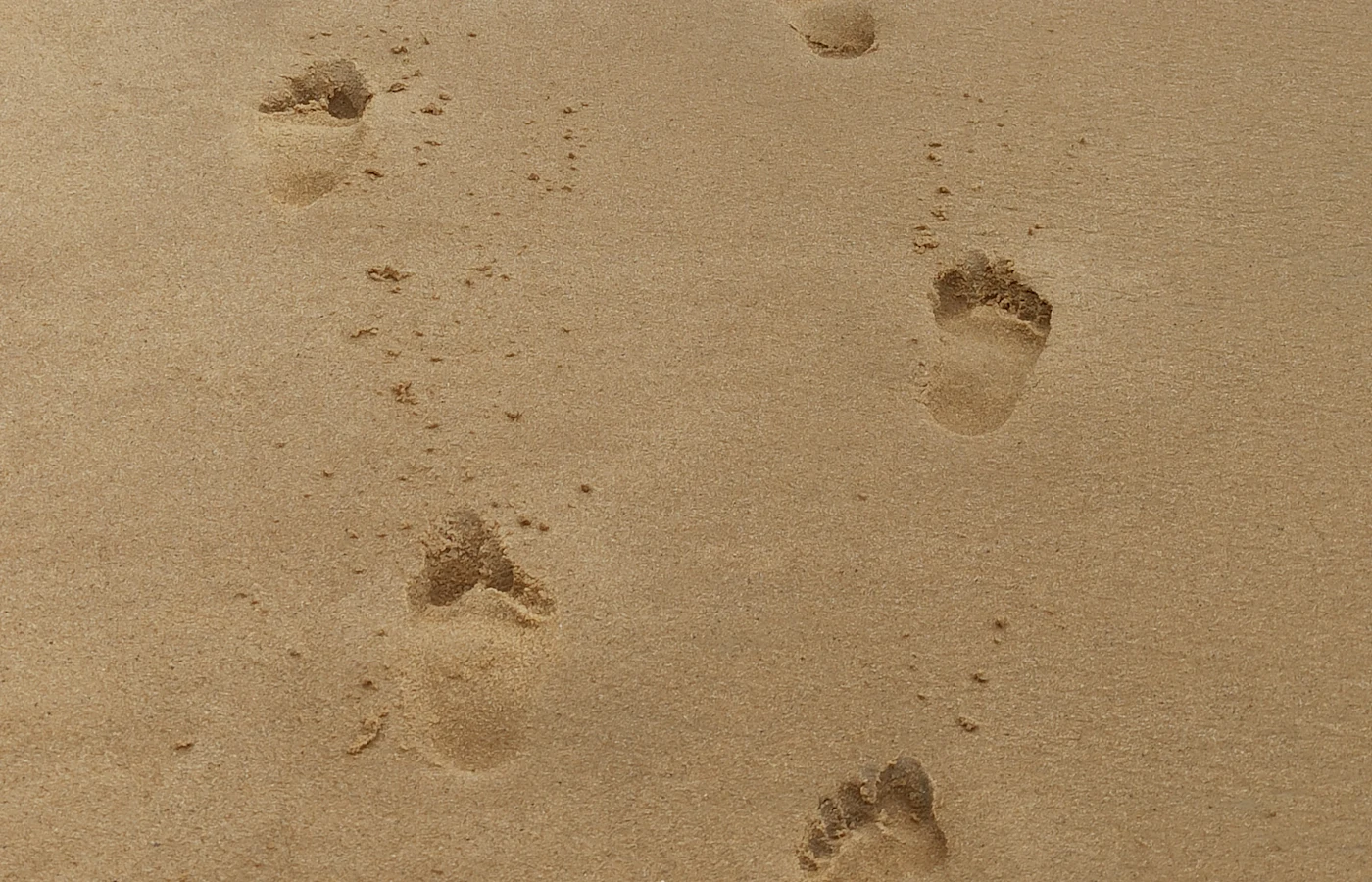
How to do the wet test
- Lay a piece of plain paper or a brown paper bag on the floor.
- Wet the bottom of one foot.
- Stand on the paper normally with your full weight, then step off.
- Repeat with the other foot, and snap a photo before the prints dry.
How to read your footprint
- Almost the whole foot shows: flat feet or a very low arch.
- About half the arch is filled in: a normal to low arch.
- Only a thin strip connects the heel and ball: a high arch.
Arch height varies a lot from person to person, so treat this as a guide rather than a diagnosis. For a deeper comparison, see flat feet vs. normal feet.
Flexible vs. rigid flat feet
Doctors usually separate flat feet into two types. Flexible flat feet have an arch when you sit or stand on your toes, and it flattens when you stand. This is the most common type and often causes no problems. Rigid flat feet stay flat no matter what, and they’re more likely to be painful. The study we mentioned above, published in the Journal of Clinical and Diagnostic Research, notes that rigid flat feet are often symptomatic and can be linked to joint problems in the foot.
If your flat feet are rigid, painful, or only on one side, or they’ve changed recently, see a podiatrist or orthopedic doctor before choosing shoes.
What is overpronation?
Pronation is the natural inward roll of your foot as it lands. With flat feet, the foot often rolls in too far, which is called overpronation. Signs include ankles that lean inward, shoes that wear out on the inside edge, and pain in the arches, shins, or knees. Overpronation is the main reason people with flat feet do better in stability shoes. Learn more in our guide to flat feet and knee pain.
What to Look For in Shoes for Flat Feet
Stability features
Stability shoes use firmer foam, guide rails, or a frame on the inside of the midsole to slow down how far your arch collapses. Brooks calls it GuideRails, Hoka uses an H-Frame, and ASICS uses internal geometry and sidewalls. They all aim to keep your foot more centered.
A firm heel counter
Squeeze the back of the shoe. It should feel firm. A stiff heel counter keeps your heel from tipping inward, which is where a lot of overpronation starts.
A wide, stable base
A wider platform under the heel and forefoot gives your foot more to land on. That’s why some neutral shoes, like the Hoka Bondi, still work for many people with flat feet.
The right amount of cushion
Too soft and your foot sinks and rolls. Too firm and long days get uncomfortable. Look for medium-to-high cushioning with a firmer inner side.
Room through the midfoot
Flat feet are often wider in the middle. Try wide sizes, and make sure the shoe doesn’t squeeze your arch area.
A removable insole
If you wear custom orthotics or plan to add an insole, you need a liner that comes out.
Heel-to-toe drop
Drop is the height difference between the heel and forefoot. If you have tight calves or Achilles problems, an 8mm to 10mm drop is usually more comfortable than a low-drop shoe.
Best Running Shoes for Flat Feet in 2026
1. Brooks Adrenaline GTS 26 – Best Overall
About $155 · 10mm drop · Moderate stability
The Adrenaline is the shoe we’d hand most people with flat feet first. Its GuideRails sit along the sides of the heel and only kick in when your foot rolls too far, so it feels supportive without feeling stiff. The 2026 version keeps the same stack, drop, and support as the GTS 25, with a reworked nitrogen-infused DNA Loft v3 midsole and a softer stretch-knit tongue. It comes in wide widths and works with orthotics.
👉 Check price of the Brooks Adrenaline GTS 26 on Amazon
2. Hoka Gaviota 6 – Most Supportive
About $180 · 6mm drop · Maximum stability
Hoka’s most supportive shoe has a full-length H-Frame that’s thickest on the inside of the foot, a flared base, and a stiff chassis. Doctors of Running rated its stability close to a motion-control shoe. It runs wide and roomy, and it’s also a great pick for walking and long shifts. Reviewers didn’t recommend it with custom orthotics, since it already has so much built-in support.
👉 Check price of the Hoka Gaviota 6 on Amazon
3. ASICS Gel-Kayano 32 – Best Smooth Stability
About $165 · 8mm drop · Moderate stability
The Kayano dropped its old hard medial post years ago. Version 32 uses a wider sole, sidewalls on both sides, and a midsole that firms up as your foot moves off center, so the support feels adaptive rather than forced. The 8mm drop is the lowest Kayano yet. It’s well suited to walking, standing, and easy or long runs, though it’s best for normal to narrow feet in regular width.
👉 Check price of the ASICS Gel-Kayano 32 on Amazon
4. Hoka Arahi 8 – Best Lightweight Stability
About $150 · 8mm drop · Mild-to-moderate stability
At about 9.3 oz for a men’s size 9, the Arahi is light for a stability shoe. Version 8 swapped the old J-Frame for an H-Frame of firmer foam, added a roomier upper, and softened the ride. Its support is subtle, which makes it ideal for mild flat feet rather than severe overpronation.
👉 Check price of the Hoka Arahi 8 on Amazon
5. Saucony Guide 18 – Best Value Stability
About $140 · 6mm drop · Mild stability
The Guide uses a wide base, high sidewalls, and a filled-in medial midfoot instead of a post. Reviewers describe it as a mild, non-intrusive stability shoe with a firm, rolling ride. It’s a simple, solid choice for newer runners with mild flat feet who don’t want to spend $160 or more.
👉 Check price of the Saucony Guide 18 on Amazon
Want more Hoka options? See our full guide to the best Hoka shoes for flat feet, plus running shoes for Achilles tendonitis.
Best Walking and Everyday Shoes for Flat Feet
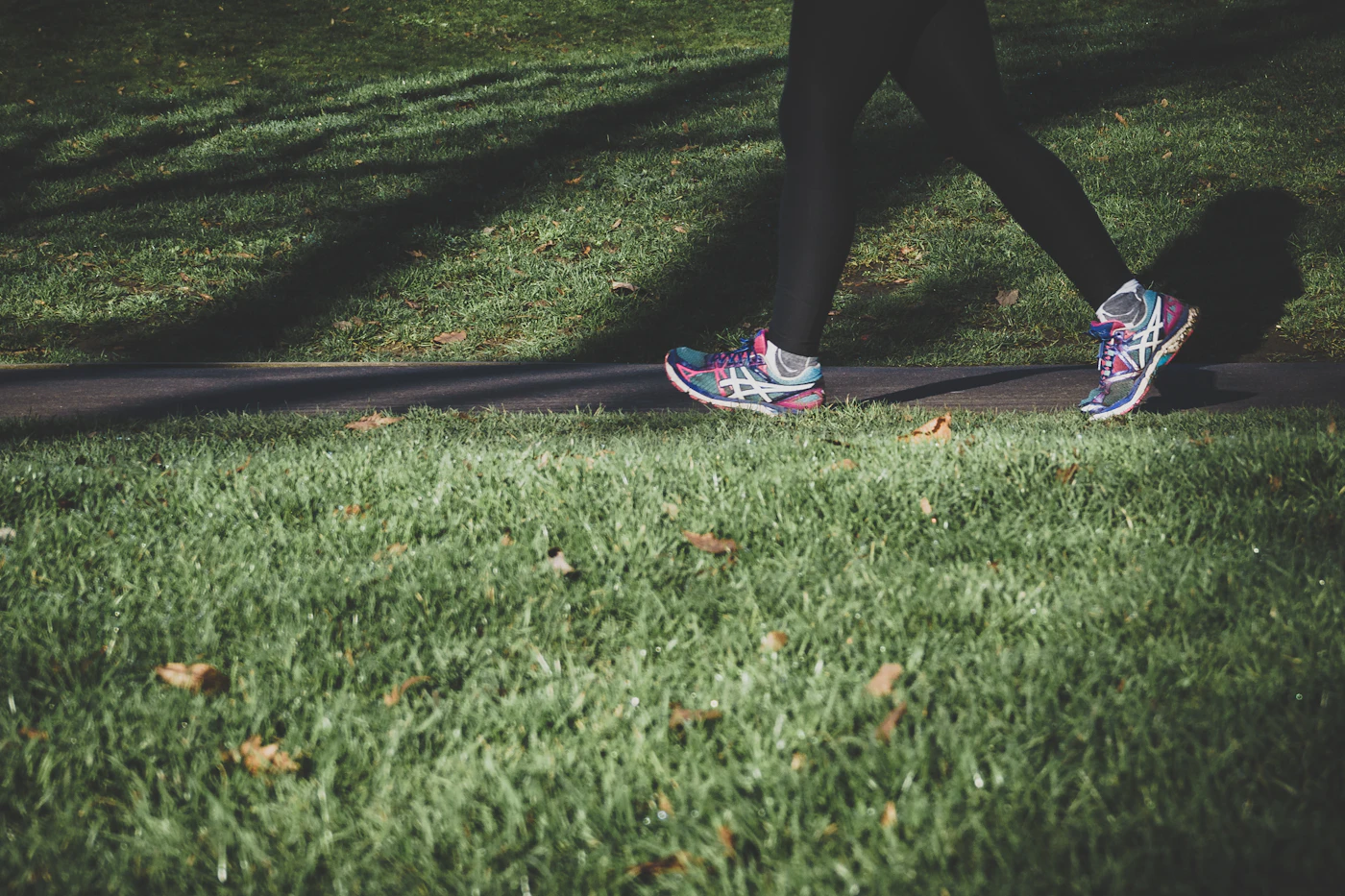
For walking, errands, and everyday wear, you can lean a little more toward comfort. Any of the running shoes above work well for walking. These three are also popular with people who have flat feet.
Hoka Bondi 9 – Most Cushioning
About $175 · 5mm drop · Neutral, max cushion
The Bondi isn’t a stability shoe, but its very wide base (about 100mm across at the heel and forefoot) makes it feel planted. The Bondi 9 uses a lighter supercritical EVA foam and Hoka’s MetaRocker shape. It’s a favorite for long walks and hard floors. Add an insole if you need arch control.
👉 Check price of the Hoka Bondi 9 on Amazon
Brooks Ghost 18 – Best Neutral Shoe for Orthotics
About $150 · 10mm drop · Neutral
If you wear custom orthotics, a neutral shoe with a removable liner usually works better than a stability shoe. The Ghost 18 has a DNA Loft v3 midsole and a new Ortholite X-60 sockliner that’s easy to swap out.
👉 Check price of the Brooks Ghost 18 on Amazon
Hoka Clifton 10 – Best Neutral Daily Shoe
About $150 · 8mm drop · Neutral
The Clifton 10 raised its drop to 8mm and added heel cushion. It comes in wide and extra-wide sizes for men. It’s best for flexible flat feet that don’t overpronate much, or paired with a supportive insole.
👉 Check price of the Hoka Clifton 10 on Amazon
Best Work Shoes for Flat Feet
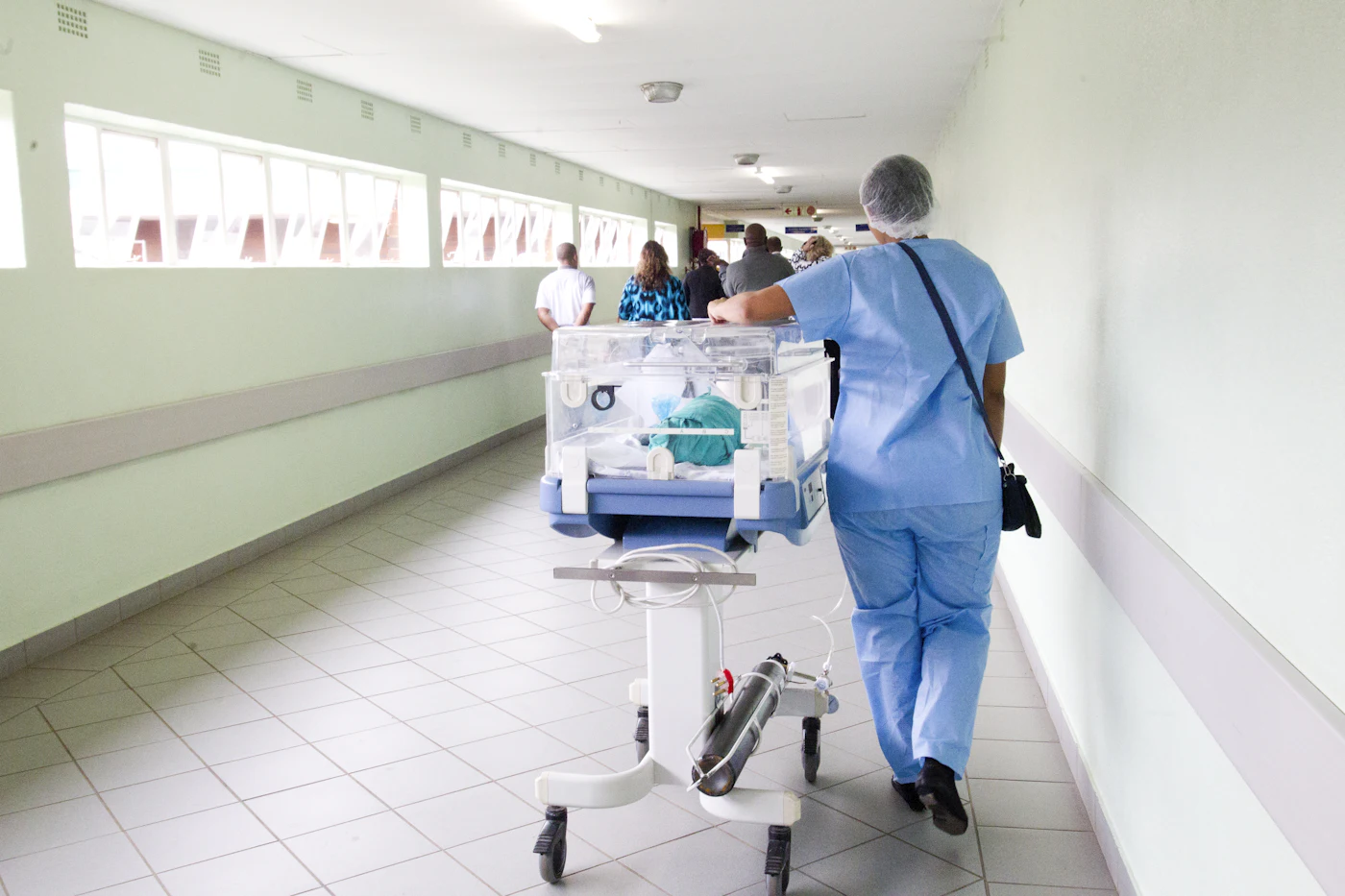
Standing or walking for 8 to 12 hours on concrete or tile is tough on flat feet. Many workplaces also require slip-resistant shoes. These are our top picks.
Brooks Addiction Walker 2 – Best Supportive Work Shoe
About $130 · Leather · Stability
A diagonal midfoot support bar, a very rigid structure, and the APMA Seal of Acceptance make this one of the most supportive work shoes you can buy. RunRepeat recommends it for flat feet and overpronation. One caution: its wet-tile grip tested well below the Hoka Bondi SR, so pick something else for wet floors.
👉 Check price of the Brooks Addiction Walker 2 on Amazon
Hoka Bondi SR – Best Slip-Resistant Shoe
About $180 · Leather · Slip resistant
Bondi cushioning under a water-repellent leather upper with an oil- and slip-resistant outsole. OutdoorGearLab testers couldn’t make it slip on wet tile or linoleum. It’s heavy, at about 14.5 oz, but it’s one of the best options for kitchens, hospitals, and grocery stores.
👉 Check price of the Hoka Bondi SR on Amazon
Dansko XP 2.0 Clog – Best Clog
About $150 · Leather · Slip resistant
A dual-density memory foam footbed with Natural Arch support, a firm TPU heel counter, and a rubber outsole made to grip dry, wet, and oily floors. The footbed is removable for orthotics. Expect a short adjustment period. See Dansko shoes for flat feet for more.
👉 Check price of the Dansko XP 2.0 on Amazon
Skechers Work Slip-Resistant Sneakers – Best Budget Pick
Usually $50 to $80 · Slip resistant
Skechers Work lace-ups use rubber outsoles built for wet and greasy floors and often come in wide widths. They don’t have much arch support, so add an insole if you have flat feet.
👉 Check price of the Skechers Work slip-resistant shoes on Amazon
For more options, see our guides to the best work shoes for flat feet, the best shoes for cashiers, nurse shoes for flat feet, and work boots for sore feet.
Comparison Table: Best Shoes for Flat Feet (2026)
| Shoe | Support | Best for | Drop | Approx. price |
|---|---|---|---|---|
| Brooks Adrenaline GTS 26 | Moderate stability | Running, walking | 10mm | $155 |
| Hoka Gaviota 6 | Maximum stability | Running, walking, long shifts | 6mm | $180 |
| ASICS Gel-Kayano 32 | Moderate stability | Running, walking, standing | 8mm | $165 |
| Hoka Arahi 8 | Mild-moderate stability | Running, walking | 8mm | $150 |
| Saucony Guide 18 | Mild stability | Running | 6mm | $140 |
| Hoka Bondi 9 | Neutral, wide base | Walking, standing | 5mm | $175 |
| Brooks Ghost 18 | Neutral | Running with orthotics | 10mm | $150 |
| Hoka Clifton 10 | Neutral | Everyday, with insole | 8mm | $150 |
| Brooks Addiction Walker 2 | Stability | Work, walking | N/A | $130 |
| Hoka Bondi SR | Neutral, wide base | Work on wet floors | N/A | $180 |
| Dansko XP 2.0 Clog | Firm arch support | Healthcare, food service | N/A | $150 |
Prices are approximate and change often.
Do You Need Insoles for Flat Feet?
Insoles are a cheap way to add arch support to shoes you already like, especially neutral shoes and work shoes. A firm, structured insole with a deep heel cup supports the arch and keeps the heel centered. Superfeet Green is a popular firm option for flat feet. If you have pain, ongoing symptoms, or very flat arches, a podiatrist can tell you whether custom orthotics make sense.
A few tips:
- Remove the shoe’s original liner before adding an insole, or the fit will be too tight.
- Don’t stack a firm insole inside a max-stability shoe unless a professional recommends it. The combined support can feel like too much.
- Break in new insoles gradually, an hour or two a day at first.
Comparing brands? See Protalus vs. Superfeet.
Shoes for Flat Feet by Activity
Every sport puts different demands on your feet. We have dedicated guides for many of them:
- Basketball shoes for flat feet
- Tennis shoes for flat feet
- Soccer cleats for flat feet
- Golf shoes for flat feet
- Hiking boots for flat feet
- Tactical boots for flat feet
- Birkenstocks for flat feet
How to Get the Most Out of Your Shoes
- Shop in the afternoon. Feet swell during the day, so that’s when you’ll get the truest fit.
- Bring your socks and insoles. Try shoes on with what you’ll actually wear.
- Leave a thumb’s width between your longest toe and the end of the shoe.
- Ease into stability shoes. If you’re switching from neutral shoes, wear them for shorter runs or walks for the first week.
- Replace them on time. Stability features compress along with the cushion. Use our shoe replacement calculator to track your mileage.
- Strengthen your feet. Simple exercises can help support your arches. Try these exercises for flat feet and overpronation exercises.
When to See a Doctor
Flat feet that don’t hurt usually don’t need treatment beyond good shoes. See a podiatrist or orthopedic doctor if:
- Your feet, ankles, or knees hurt regularly, even in supportive shoes.
- One foot is flatter than the other, or your arch has recently collapsed.
- Your feet are stiff and stay flat even when you’re sitting or on your toes.
- You have diabetes, arthritis, or numbness in your feet.
Surgery is rarely needed. If you’re curious, read is flat foot surgery worth it?
Frequently Asked Questions
What are the best shoes for flat feet?
For most people, a stability shoe like the Brooks Adrenaline GTS 26 or ASICS Gel-Kayano 32. If you need maximum support, try the Hoka Gaviota 6. For work on wet floors, the Hoka Bondi SR is one of the best options.
Are stability shoes or neutral shoes better for flat feet?
Stability shoes are usually better if you overpronate, meaning your ankles roll inward or your shoes wear on the inside edge. If your flat feet are flexible, pain-free, and don’t roll in much, a cushioned neutral shoe can be fine.
Are Hoka shoes good for flat feet?
Yes. The Gaviota 6 and Arahi 8 are built for overpronation, and the wide-based Bondi 9 works for many people with flat feet. See our Hoka guide for details.
Is it bad to walk barefoot with flat feet?
Short periods of barefoot walking on soft surfaces can help strengthen foot muscles. Long periods on hard floors often cause arch and heel pain if you have flat feet. Wear supportive shoes for long days on your feet.
Can flat feet be fixed?
Adults usually can’t change the structure of their arches, but supportive shoes, insoles, and strengthening exercises can reduce pain and improve how your feet work. Read more in can you become flat-footed?
How often should I replace shoes if I have flat feet?
Every 300 to 500 miles for running shoes, or about 6 to 12 months for daily work shoes. Replace them sooner if your arch pain comes back.
Sources
- Aenumulapalli A, Kulkarni MM, Gandotra AR. Prevalence of Flexible Flat Foot in Adults: A Cross-sectional Study. Journal of Clinical and Diagnostic Research, 2017.
- Doctors of Running reviews of the Hoka Gaviota 6, Hoka Arahi 8, ASICS Gel-Kayano 32, and Saucony Guide 18.
- Road Runner Sports, Brooks Adrenaline GTS 26 overview. Tom’s Guide, Brooks Ghost 18 launch coverage.
- RunRepeat, Brooks Addiction Walker 2 lab review. OutdoorGearLab, Hoka Bondi SR review.
- Vionic, “Do I Have Flat Feet or High Arches?” wet test guide.
Written by Otto Thompson. Last updated October 2026.

